Why Travelers and Expats Are More Prone to Pain


Dubai is one of the world’s busiest travel hubs, and many residents – including you – are frequent flyers. With long-haul flights, sudden time-zone changes, and intense work-life demands, your body often pays the price.
This month, we focus on how physiotherapy can help you stay pain-free, energized, and aligned while traveling.
1. Why Travelers & Expats Are More Prone to Pain
Traveling affects your body more than you think:
- Long sitting hours lead to hip tightness, low back strain, and neck stiffness.
- Reduced hydration stiffens muscles and joints, increasing cramps.
- Jetlag disrupts your natural sleep–recovery cycle.
- Carrying luggage triggers shoulder and upper-back overload.
- Your musculoskeletal system becomes fatigued and compensates – leading to pain even days after landing.
2. The “Flight Posture Problem”
Most airplane seats are not designed for spinal health.
Common issues physiotherapists see after flights:
- Forward neck posture
- Tight hip flexors
- Compressed lower back
- Shoulder tension
- Poor blood circulation in legs
- Even a 3-hour flight can trigger these patterns.
3. Physio-Approved “Inflight Mobility Routine” (3 Minutes Only!)
Do this every 1–2 hours:
- Ankle Pumps (20 reps each side)
- Boosts circulation and reduces swelling.
- Seated Spinal Twists (10 reps)
- Releases mid-back stiffness.
- Neck Retractions (10 reps)
- Corrects forward-head posture.
- Hip Flexor Stretch (30 sec each side)
- Do standing in the aisle; it prevents low back strain.
- Shoulder Rolls (15 reps)
- Reduces upper-trapezius tension
Small movements = big protection for your spine.
4. Post-Flight Reset Routine (Once You Land)
Within 24 hours of landing:
- 10 minutes brisk walking – improves circulation
- Gentle back extensions – counteracts sitting
- Glute activations (bridges or clamshells) – stabilizes your pelvis
- Deep breathing – reduces jetlag stress on the nervous system
- Hydrate + electrolytes – muscles recover faster when hydrated
For frequent flyers, doing this consistently prevents chronic pain.
5. Physiotherapy for Jetlag? Yes!
Jetlag affects more than sleep:
- Your circadian rhythm affects tissue recovery
- Misaligned sleep increases inflammation & muscle pain
- Stress increases neck + shoulder tightness
Physiotherapy helps by:
- Improving blood flow
- Reducing muscle tension
- Resetting posture
- Regulating breathing patterns for better sleep
- Aligning the spine after long flights
6. Luggage Tips to Avoid Injury
- Choose 4-wheel suitcases – push instead of pull
- Keep backpacks light & close to your body
- Avoid lifting luggage with a twisted spine
- Switch hands every 5–10 minutes when pulling bags
- Engage your core before lifting anything (mini brace)
7. When Should You See a Physiotherapist?
See a physio if you experience:
- Back pain lasting more than 3 days after travel
- Numbness/tingling in legs after a flight
- Neck stiffness that affects driving or work
- Shoulder pain from carrying bags
- Migraines triggered by long flights
- Recurring jetlag-related body aches
Early assessment = faster recovery.
8. Dubai Physio Lifestyle Tips for Frequent Travelers
- Sleep early 2 days before flying
- Set your watch to destination time in advance
- Stretch daily if you have long commutes
- Do mobility breaks every 45–60 minutes at work
- Use a lumbar roll in flights + office chairs
- Keep magnesium + electrolytes in your travel kit.
Traveling doesn’t have to mean pain, stiffness, or awful jetlag.
With the right physiotherapy approach, your body adapts faster and stays aligned – even during long flights.
Recent post
Heat, Humidity and Spine Health: How Dubai’s Climate can affect your Back
Work From Home or Remote in Dubai? How to Set Up Your Home Office for Spine Health

Top 5 Lifestyle Habits That Cause Back Pain (And What a Chiropractor Can Do)
Physiotherapy for Sciatica: Natural Relief for Nerve Pain

Work from Home or Remote in Dubai? Setting Up Your Home Office for a Healthy Spine

Why Chiropractic Care in Dubai: What Expats & Locals Need to Know
You may also like
The Truth About Posture Gimmicks
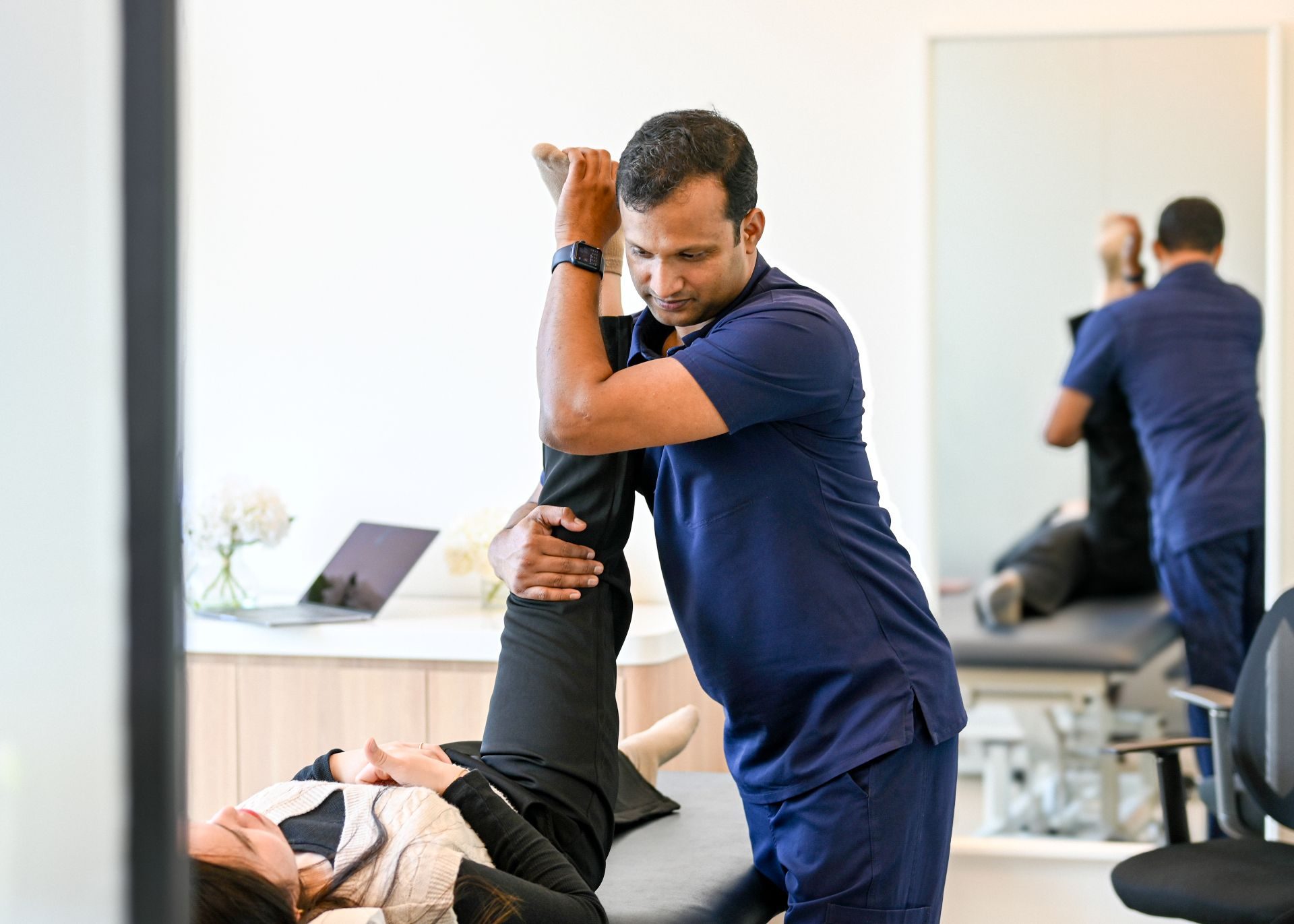
Incorporating Stretching Routines into Daily Life for Flexibility and Health

Difference between Dry Needling and Acupuncture
Debunking 5 Common Misconceptions About Chiropractic Care
Work From Home or Remote in Dubai? How to Set Up Your Home Office for Spine Health
The Effect of Poor Posture on Spinal Health
Recommended Posts

Why Chiropractic Care is Important – Even for Babies and Children


Elevating the Mind: The Transformative Impact of Exercise on Mental Health

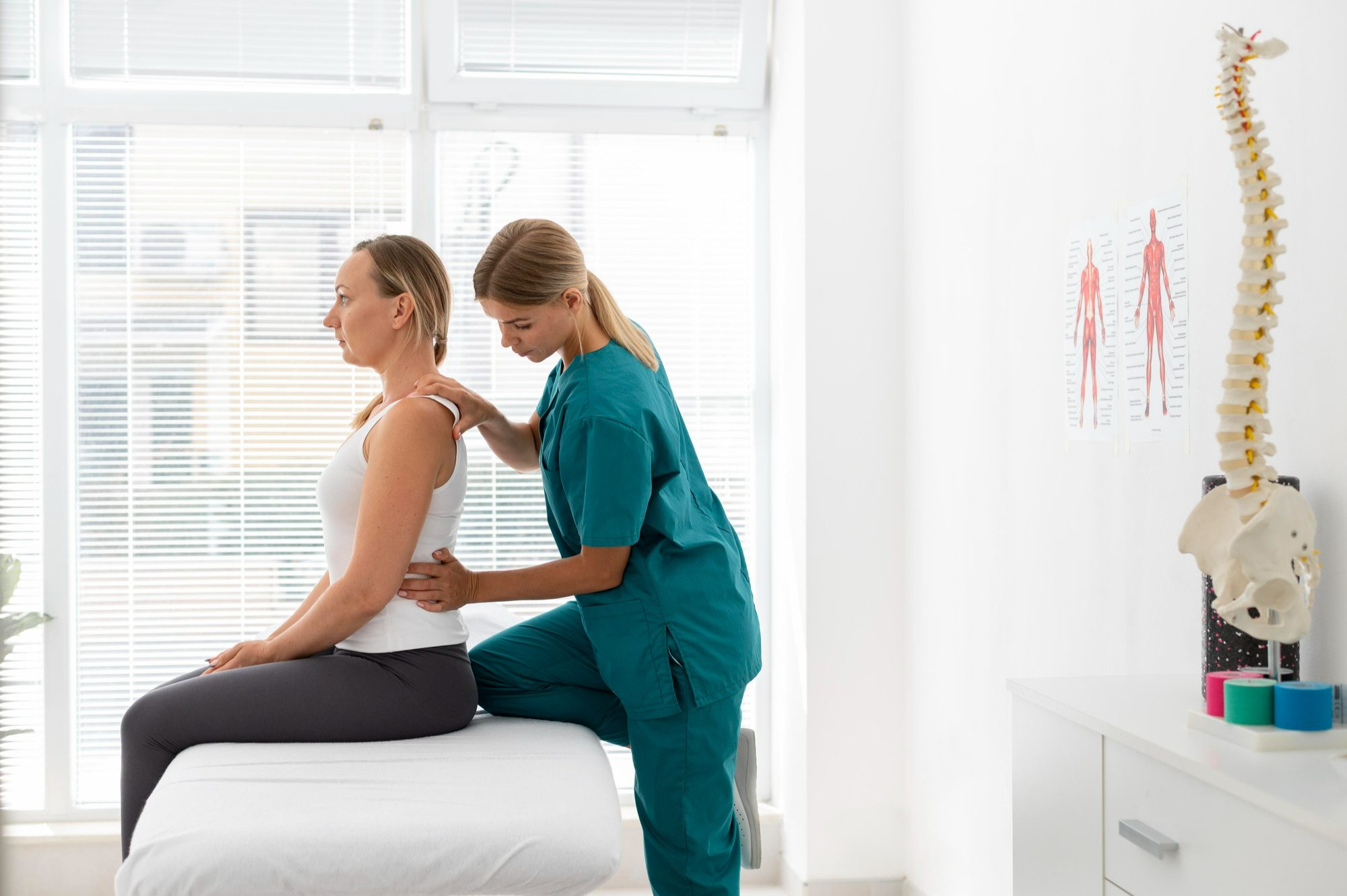
Physiotherapy vs. Surgery: When Is Physical Therapy the Better Option?