Work From Home or Remote in Dubai? How to Set Up Your Home Office for Spine Health

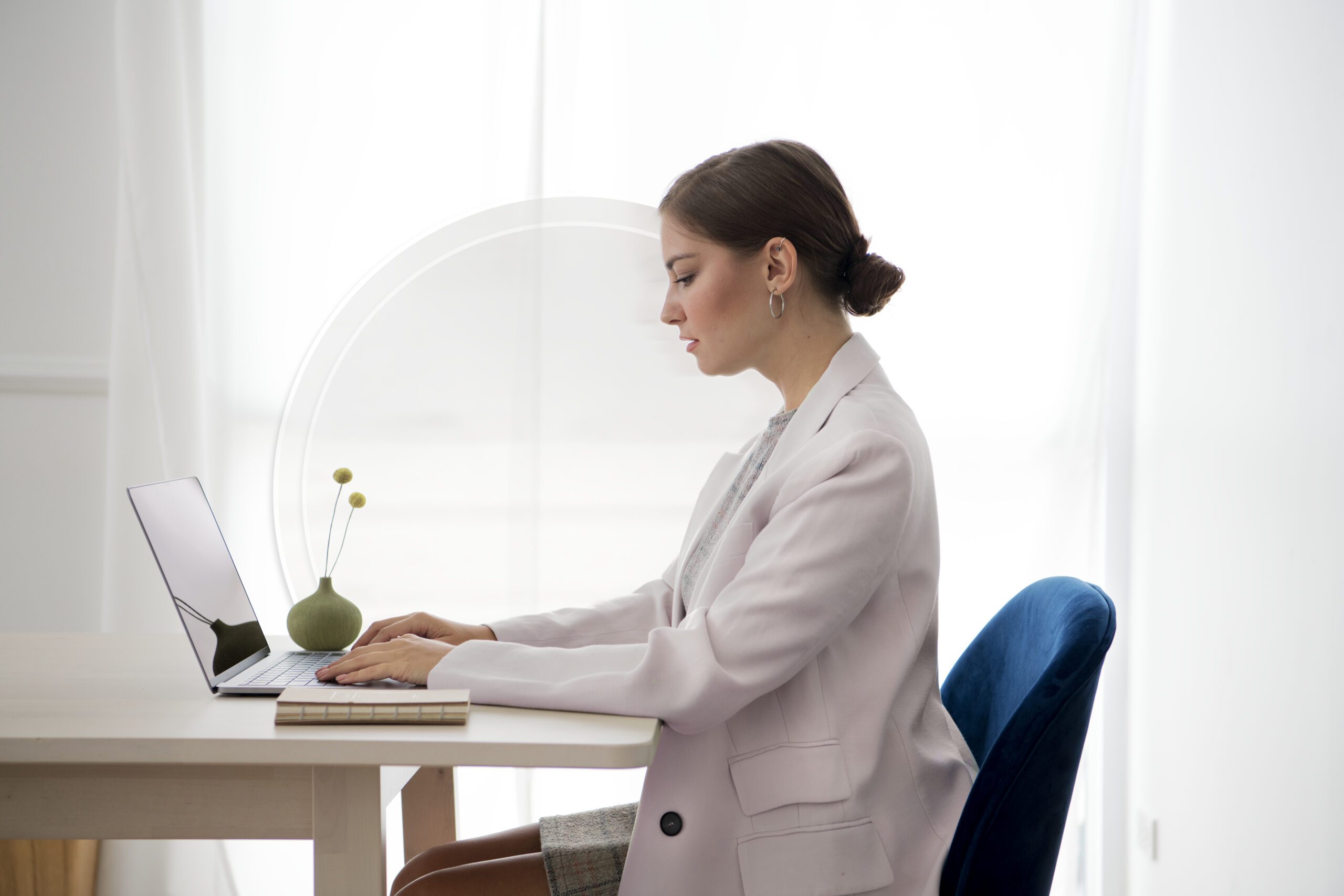
Working from home in Dubai offers flexibility and comfort, but spending long hours at a poorly set-up workstation can put unnecessary stress on your neck, shoulders and lower back. From working on the sofa to using a laptop at the dining table, small ergonomic mistakes can gradually contribute to stiffness and back pain.
The good news? A few simple changes can make your home office much more spine-friendly.
Set Up Your Desk Correctly
Your desk should allow you to work without hunching your shoulders or leaning forward.
- Keep your elbows around 90° while typing.
- Keep your feet supported on the floor or a footrest.
- Keep your keyboard and mouse close enough that you don’t have to reach forward.
- Your shoulders should remain relaxed while working.
Support Your Lower Back
Choose a chair that provides good lumbar support and allows you to sit comfortably with your hips and knees supported.
If your chair doesn’t have adequate lumbar support, a small cushion can help fill the gap between your lower back and the chair.
Bring Your Screen to Eye Level
Looking down at a laptop for hours can increase strain around the neck and upper back.
Ideally, position the top portion of your screen around eye level. If you’re using a laptop, consider a laptop stand with an external keyboard and mouse.
Don’t Forget Lighting
Poor lighting can make you lean closer toward your screen and contribute to eye and neck strain. Try to use natural light where possible and position your screen to minimize glare.
Keep Moving: The 20-8-2 Rule
One of the biggest problems with remote work isn’t necessarily sitting itself—it’s staying in the same position for too long.
Try the 20-8-2 rule:
20 minutes sitting → 8 minutes standing → 2 minutes moving.
You don’t have to follow the timing perfectly. The key is to regularly change position, stand up, walk around and give your spine and muscles a break.
Even simple activities such as walking while taking a phone call, stretching your shoulders or getting up for water can help break up prolonged sitting.
Avoid Working From Your Bed
Your bed may feel comfortable, but it isn’t designed for prolonged desk work. Working from bed or a soft sofa can encourage slouching and awkward neck positions.
If you work remotely every day, creating a dedicated workspace is a much better option for your posture and productivity.
Remember: There Is No “Perfect” Posture
You don’t need to sit perfectly upright all day. Movement and changing positions are just as important as your workstation setup.
Think: Good ergonomics + regular movement + position changes = a healthier workday.
When Should You See a Specialist?
If you regularly experience back or neck pain, numbness, tingling, weakness, or pain that continues despite improving your workstation, consider getting assessed by a qualified physiotherapist or chiropractor.
A professional assessment can identify contributing factors and help create an individualized treatment and exercise plan.
Final Takeaway
Your home office should support your body, not contribute to pain.
A well-adjusted chair, correctly positioned screen, appropriate desk setup and regular movement breaks can go a long way toward maintaining spine health while working remotely in Dubai
Small changes to your workspace today can help you stay more comfortable tomorrow.
Recent post

Heat, Humidity and Spine Health: How Dubai’s Climate can affect your Back
Work From Home or Remote in Dubai? How to Set Up Your Home Office for Spine Health

Top 5 Lifestyle Habits That Cause Back Pain (And What a Chiropractor Can Do)

Physiotherapy for Sciatica: Natural Relief for Nerve Pain

Work from Home or Remote in Dubai? Setting Up Your Home Office for a Healthy Spine

Why Chiropractic Care in Dubai: What Expats & Locals Need to Know
You may also like

Why Runners Need a Chiropractor?

Piriformis syndrome and discogenic pain, Is it the same?
Why Chiropractic Care in Dubai: What Expats & Locals Need to Know

Difference between Dry Needling and Acupuncture

Chiropractic vs Physiotherapy: What’s Best for Back Pain?

Spinal Decompression Therapy: A Non-Surgical Solution for Back Pain Relief
Recommended Posts

Should I see a chiropractor when I’m pregnant?


The Hidden Link: Posture and Mental Health

The impact of high heels on spinal health and alternatives