Book Appointment

The Effect of Poor Posture on Spinal Health

Posture plays a crucial role in our health, especially when it comes to spinal health. Good posture helps maintain the natural curves of the spine, supports proper alignment, and reduces the risk of pain and injury. The connection between posture and spinal health is essential for maintaining a healthy lifestyle.

Poor posture can lead to spinal issues such as misalignments, muscle imbalances, and chronic pain. When we slouch or adopt unnatural positions, it places excessive stress on the spine and surrounding muscles. Over time, this can result in conditions such as herniated discs, sciatica, and degenerative disc disease.

Additionally, poor posture can contribute to tension in the neck and shoulders, leading to headaches. As the body compensates for misalignments, other areas may become overused or underused, creating a cycle of dysfunction. Recognizing the impact of poor posture on spinal health is the first step toward making positive changes. There have even been studies showing a link between poor posture and a decreased life expectancy.

The Benefits of Good Posture

Maintaining good posture offers numerous benefits for spinal health. Proper alignment helps distribute weight evenly across the spine, reducing demand on muscles and ligaments. This can lead to decreased pain, improved mobility, and better physical performance.

Good posture also supports optimal breathing and digestion. When the spine is aligned, the ribcage can expand fully, allowing for deeper breaths and better oxygenation of the body. Additionally, proper alignment can facilitate healthy digestion by reducing pressure on the abdominal organs.

Tips for Improving Posture

Improving your posture is a proactive way to support your spinal health. Here are some practical tips to help you maintain good posture throughout your daily activities.

  1. Be Mindful of Your Sitting Position: When sitting, place your feet flat on the floor, your knees at a right angle, and with your back against the back of the chair. Use a cushion or lumbar roll to maintain the natural curve of your lower back.
  2. Stand Tall: When standing, distribute your weight evenly on both feet, keep your shoulders back, and engage your core muscles. Avoid locking your knees and try to maintain a relaxed stance.
  3. Take Breaks: If you spend long periods sitting or standing, take regular breaks to stretch and move around. This can help alleviate tension and prevent stiffness. You should also do this about every 60 minutes if you are driving.
  4. Strengthen Core Muscles: Strengthening your core muscles can provide better support for your spine. Activities such as yoga and Pilates are excellent for improving posture.
  5. Be Aware of Your Screen Time: If you work at a desk or use electronic devices frequently, be mindful of your posture while using them. Position your screen at eye level and keep your shoulders relaxed to avoid straining your neck.

The Role of Chiropractic Care

Chiropractic and physiotherapy care can play a significant role in improving posture and supporting spinal health. Through chiropractic adjustments, we can help restore proper alignment to the spine, alleviating pain and promoting better posture.

In addition to adjustments, we may recommend exercises and stretches to strengthen your muscles and improve your posture. Regular chiropractic and physiotherapy care can help you maintain optimal spinal health and prevent future issues.

Chiropractic vs Physiotherapy: What’s Best for Back Pain?

If you’ve ever struggled with back pain, you’ve probably heard people recommend either seeing a chiropractor or a physiotherapist. It can be confusing trying to work out which one is “better”— but the truth is, they both have their place. And in many cases, using both together can be a game-changer.

Let’s break it down simply.

What does a chiropractor do?

Chiropractors focus mainly on the spine, joints, and nervous system. Our main tool is the adjustment—a specific, gentle movement applied to a joint (usually in the spine) to help improve alignment, reduce pressure on nerves, and restore proper movement.

How chiropractic helps back pain:

  • Relieves pressure on joints and nerves
  • Reduces inflammation and tension
  • Improves posture and mobility
  • Often brings quick relief

Looks at the root of the problem, not just the symptoms. It’s especially helpful for things like sciatica, disc issues, postural strain, and those annoying niggles that creep up after sitting too long or lifting something wrong.

What about physiotherapy?

Physiotherapists are brilliant when it comes to rehabilitation, movement, and muscle strength. They use a mix of hands-on therapy, stretches, tailored exercises, and sometimes things like dry needling or ultrasound to help your body recover and build strength.

How physiotherapy helps back pain:

  • Builds strength and stability around weak areas
  • Improves flexibility and mobility
  • Helps prevent injuries from coming back
  • Supports long-term recovery after injuries or surgery

Physiotherapy shines when it comes to rehab, ongoing maintenance, and building resilience.

Can you do both? 100% yes.

This is where it gets exciting. You don’t have to choose between them. In fact, chiropractic and physiotherapy often work best when used together. Here’s how:

Chiropractic helps get your body back into alignment, so everything is moving better, and pain starts to ease.

Physiotherapy then helps strengthen the muscles around those joints, so the changes stick.

So rather than a quick fix that fades, you’re getting to the root, correcting it, and then building up the support system so your body stays happy and healthy.

It’s a bit like fixing the alignment on a car and making sure the tyres are pumped and balanced—you need both to drive smoothly.

So, which one should I go for?

It depends on what’s going on in your body. If you’re in acute pain, can’t move properly, or something feels “off” in your spine or joints — chiropractic is often a great first step.

If you’re recovering from an injury, struggling with muscle imbalances, or want to work on long-term strength, physiotherapy is a brilliant choice.

But honestly? You’ll often get the best results by combining the two.

Final thoughts:

Back pain is tough, but there are options—and you don’t need to suffer through it or rely on painkillers alone.

Whether it’s an adjustment to unlock a stiff joint or a stretch to activate a weak core, both chiropractic and physiotherapy have their strengths. And together, they’re a powerful duo.

So next time you’re debating one or the other, ask yourself—why not both?

The impact of high heels on spinal health and alternatives

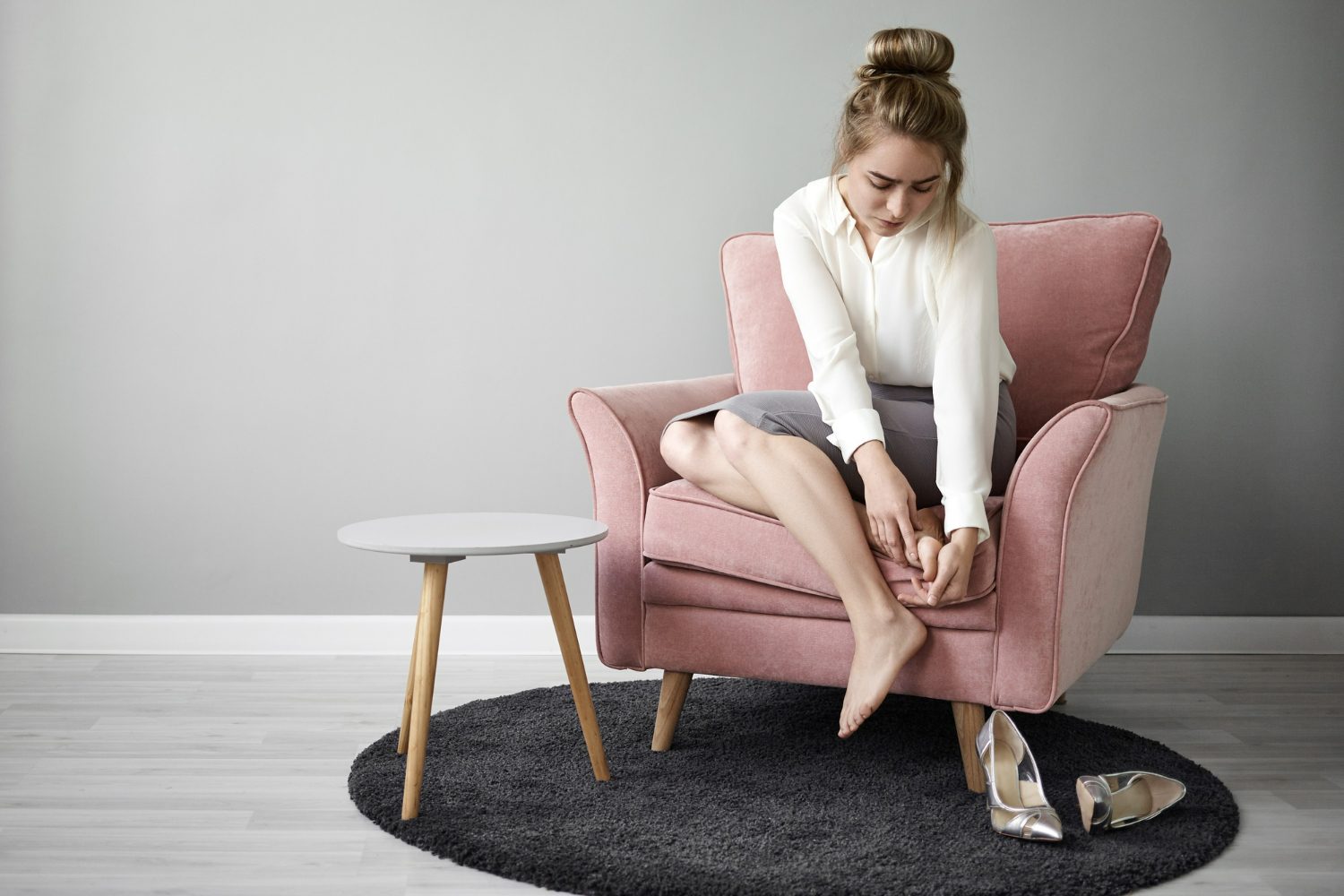
As we strive to look and feel our best, many of us rely on high heels to add a touch of glamour and confidence to our outfits. However, the consequences of wearing high heels regularly can be detrimental to our spinal health.
In this post, we’ll delve into the effects of high heels on the spine and explore some comfortable and stylish alternatives.

The Spinal Impact of High Heels
Wearing high heels can lead to a range of spinal problems, including:
– Strain on the lower back: High heels cause the pelvis to tilt forward, putting strain on the lower back muscles and potentially leading to pain and discomfort.
– Compression of the spine: The increased curvature of the spine caused by high heels can lead to compression of the spinal discs, which can cause pain, numbness, and tingling in the legs.
– Poor posture: High heels can lead to poor posture, as the body compensates for the altered balance and alignment. This can put a strain on the neck, shoulders, and upper back.

Alternatives to High Heels
Don’t worry, we’re not suggesting you give up style altogether! Here are some comfortable and stylish alternatives to high heels:
– Low-heeled shoes: Opt for shoes with a low to moderate heel (less than 2 inches) to reduce strain on the spine.
– Wedges: Wedges can be a great alternative to high heels, as they provide a more stable base and can be more comfortable.
– Flats: Flats are a great option for everyday wear and can be dressed up or down.
– Orthotic shoes: Consider investing in orthotic shoes which are designed to provide support and stability for the feet and ankles.

Tips for Reducing the Impact of High Heels
If you still want to wear high heels, here are some tips to reduce the impact on your spine:
– Wear them in moderation: Limit the amount of time you spend wearing high heels.
– Choose a lower heel: Opt for a lower heel (less than 3 inches) to reduce strain on the spine.
– Stretch and strengthen: Regularly stretch and strengthen your back, leg, and core muscles to help reduce the impact of high heels.
– Consider orthotics: Invest in orthotics or shoe inserts to provide additional support and stability.

Conclusion:
While high heels may be a staple in many of our wardrobes, it’s essential to be aware of the potential impact on our spinal health. By exploring alternatives and taking steps to reduce the impact of high heels, we can prioritize our health and well-being without sacrificing style.

Stay healthy, happy, and heel-free (or at least, heel-reduced)!