
Book Appointment

Healing After Surgery: How Physiotherapy Accelerates Recovery

Physiotherapy plays a vital role in post-surgical recovery by accelerating healing, restoring movement, and minimizing complications. After any surgery—whether orthopedic, neurological, or abdominal,patients often face reduced mobility, muscle weakness, pain, and stiffness. Physiotherapy provides a structured and individualized plan to overcome these challenges effectively.

Key Benefits of Physiotherapy After Surgery:

1.Restores Mobility and Function:
Post-surgical stiffness and immobility are common. Physiotherapy uses tailored exercises and mobilization techniques to improve joint range of motion and restore normal movement patterns.

2. Reduces Pain and Swelling:
Techniques like manual therapy, dry needling, and modalities such as ultrasound or TENS help decrease post-operative pain and inflammation.

3. Speeds Up Recovery Time:
Early mobilization under physiotherapy guidance enhances blood circulation, prevents muscle atrophy, and promotes faster tissue healing—resulting in shorter hospital stays and quicker return to daily activities.

4.Prevents Complications:
Physiotherapy helps prevent issues such as deep vein thrombosis (DVT), lung infections (in thoracic/abdominal surgeries), and joint contractures through guided movement and breathing exercises.

5.Strengthens Muscles and Improves Balance:
Targeted strengthening programs rebuild weakened muscles and restore postural control, especially after orthopedic surgeries like knee replacements or spine surgeries.

6.Improves Confidence and Independence:
Rehabilitative training equips patients with the skills and strength to resume self-care, work, and recreational activities confidently and safely.

At Pure Clinic we offer comprehensive care for faster and more effective recovery after surgery, with early mobilization, manual therapy, dry needling, cupping, electro therapy and rehabilitation.

Happy Recovery!!
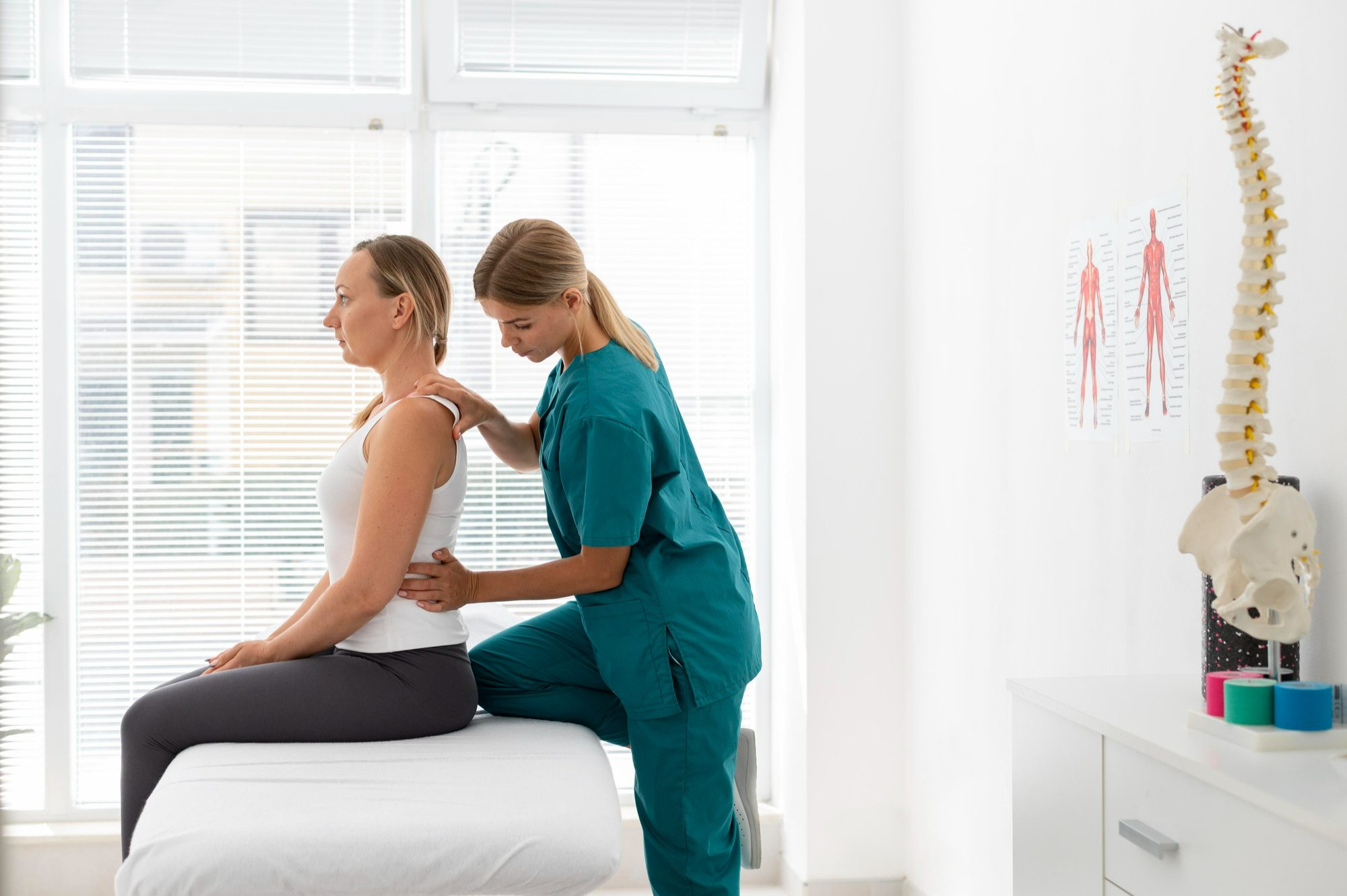
Physiotherapy vs. Surgery: When Is Physical Therapy the Better Option?

In the field of musculoskeletal health, patients often face the dilemma of choosing between physiotherapy and surgery. Understanding when physical therapy is the more advantageous route can lead to better outcomes and a more holistic approach to recovery.

Physiotherapy is a non-invasive treatment option that focuses on restoring movement and function through tailored exercises, manual therapy, and education. It is often recommended as the first line of treatment for various conditions such as back pain, joint injuries, and post-operative rehabilitation. The benefits of physiotherapy include not only pain relief and improved mobility but also the empowerment of patients to take an active role in their recovery. In many cases, physiotherapy can effectively address issues without the need for surgical intervention, thus minimizing risks associated with surgery, such as infections or complications from anesthesia.

On the other hand, surgery may be necessary for conditions that do not respond to conservative treatments or when there is significant structural damage that cannot be repaired through physical therapy alone. However, surgery often requires a longer recovery time and can lead to complications, making it crucial to evaluate all options before making a decision. Consulting with healthcare professionals and considering factors such as the severity of the condition, patient lifestyle, and personal preferences can help determine the most appropriate course of action. In many instances, a combination of both physiotherapy and surgery may be the best approach, allowing for optimal recovery and long-term health. 

In conclusion, while surgery can be a necessary option for certain conditions, physiotherapy often serves as a safer and effective alternative. Patients are encouraged to explore physical therapy first, as it not only addresses immediate symptoms but also fosters long-term wellness and injury prevention.